Tyler Perry’s Why Did I Get Married Again?: A Beloved Relationship Saga Returns for a New Generation
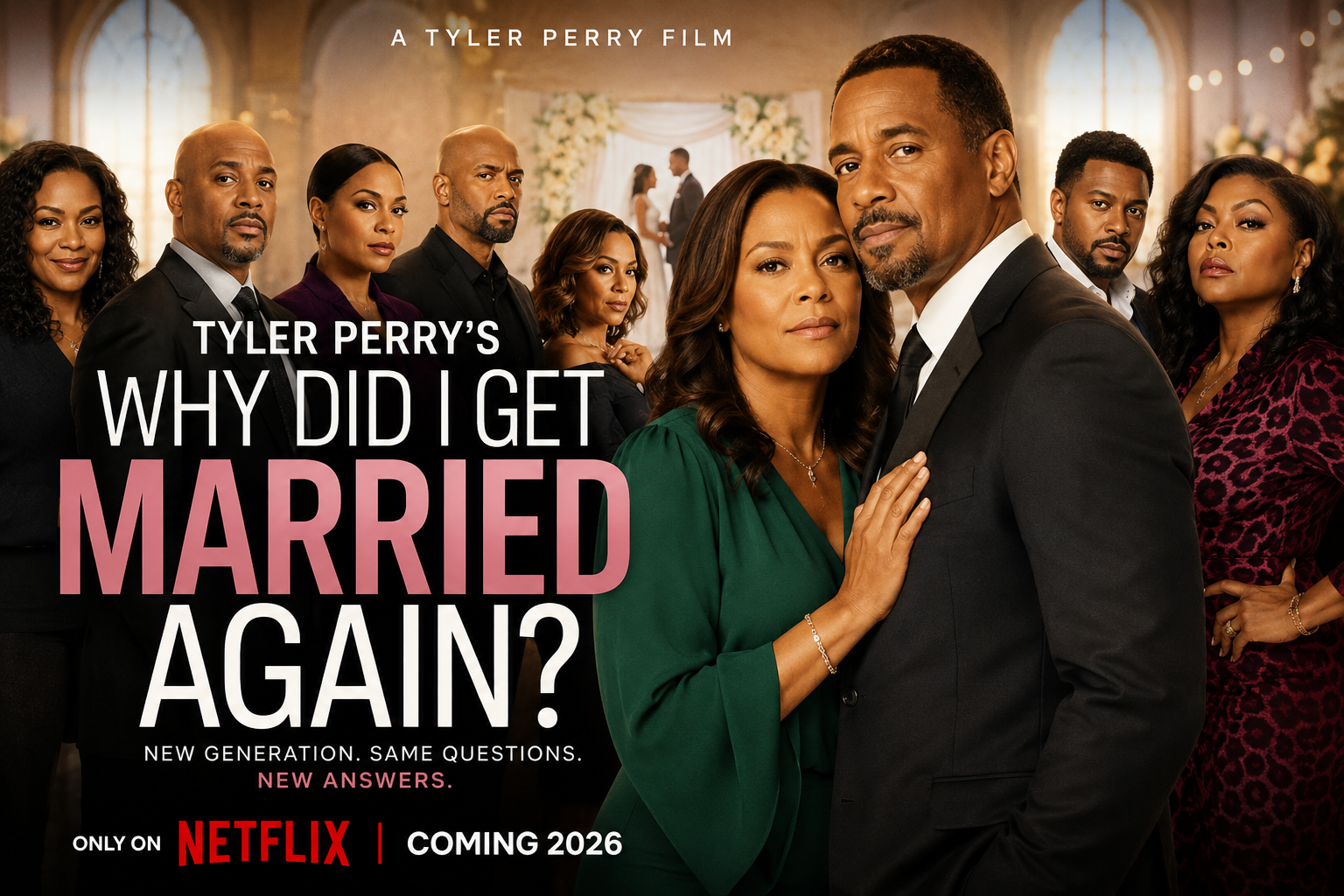
Nearly two decades after audiences first fell in love with its candid portrayal of marriage, friendship, and emotional vulnerability, Tyler Perry is revisiting one of his most celebrated franchises. Tyler Perry’s Why Did I Get Married Again?, set to premiere on Netflix in 2026, reunites many of the original cast members while introducing a younger generation forced to confront what love, commitment, and family legacy truly mean.
According to Netflix, production on the long-awaited sequel is already underway, marking the official return of a series that has remained culturally relevant long after its last installment debuted in 2010.
Revisiting One of Tyler Perry’s Most Mature Franchises
When Why Did I Get Married? premiered in 2007, it offered something distinct within Tyler Perry’s filmography. While Perry had already established himself through the wildly successful Madea universe, this franchise traded broad comedy for emotionally charged conversations about adult relationships.
The films explored themes rarely examined with such visibility in mainstream Black cinema at the time: infidelity, grief, financial imbalance, gender expectations, emotional neglect, forgiveness, and the difficult realization that love alone cannot fix a broken marriage.
At the center of both previous films was a deceptively simple question: Why did I get married?
It was a question that challenged not only the characters on screen but also the audiences watching them.
A Wedding That Reopens Old Conversations
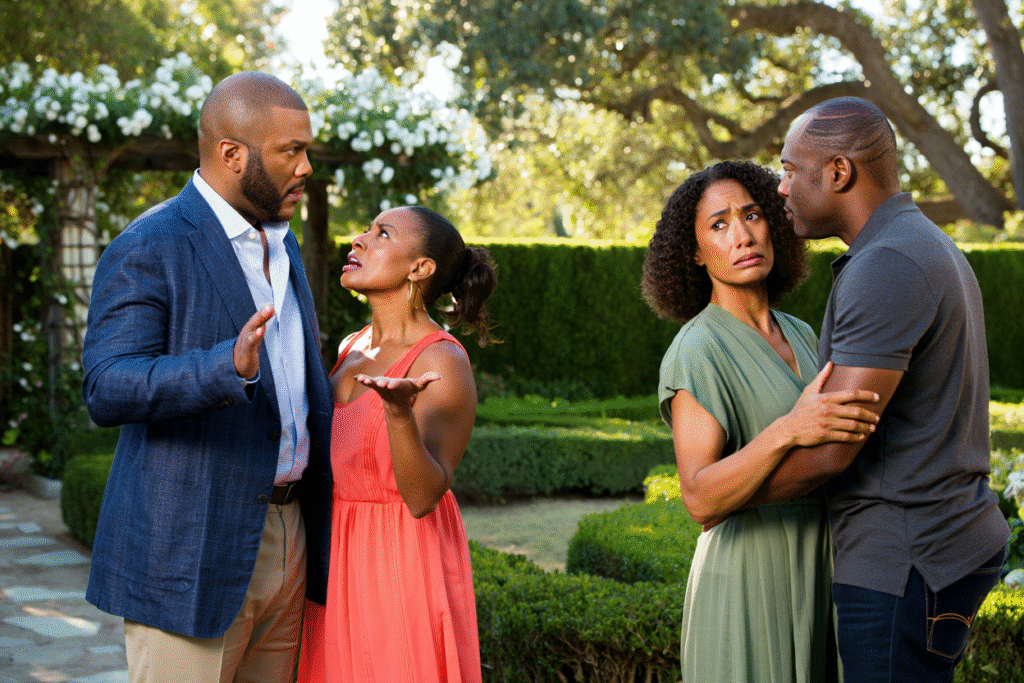
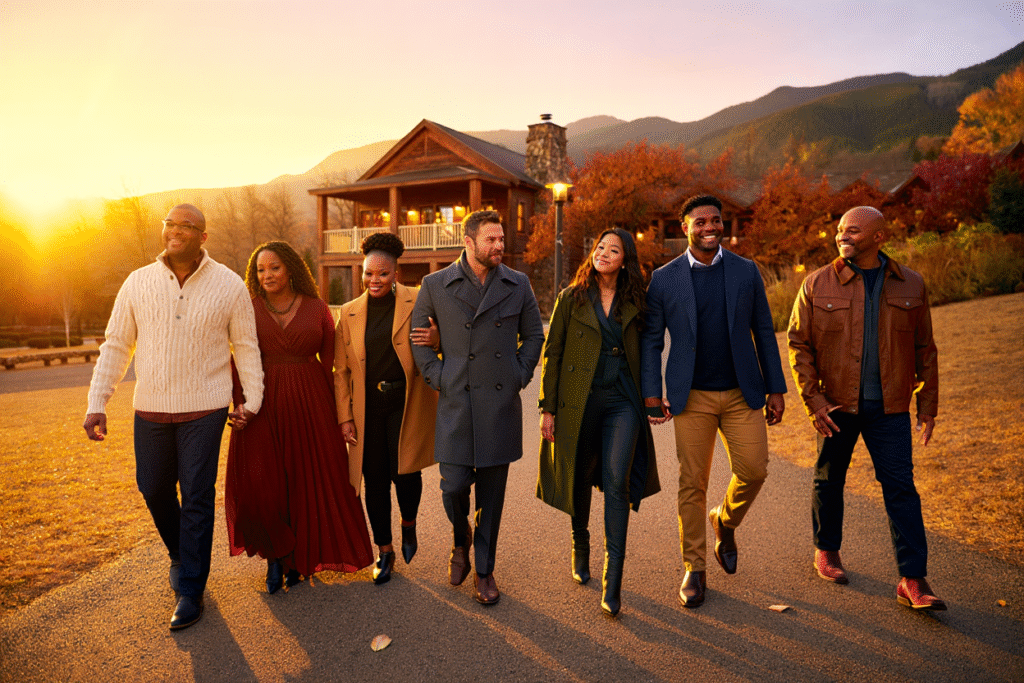
Netflix has confirmed that the new installment revolves around the wedding of Marcus and Angela’s daughter, an event that reunites the original group after years apart. What initially appears to be a joyous family celebration gradually evolves into an emotional reckoning.
As their children prepare to begin married life, the older generation finds itself reflecting on the choices that shaped their own relationships. Old wounds resurface, long-held resentments emerge, and questions about the example they have set for their children become impossible to ignore.
This generational approach may prove to be the sequel’s greatest strength.
Rather than simply recreating familiar conflicts, Why Did I Get Married Again? appears interested in examining the legacy of marriage itself. What do children inherit from their parents’ relationships? Can cycles of dysfunction be interrupted? And how much of our understanding of love is shaped by what we witnessed growing up?
These are questions that resonate far beyond the screen.
Familiar Faces Return — Alongside New Voices
Tyler Perry once again assumes creative control as writer, director, producer, and cast member, continuing the hands-on approach that has defined his career.
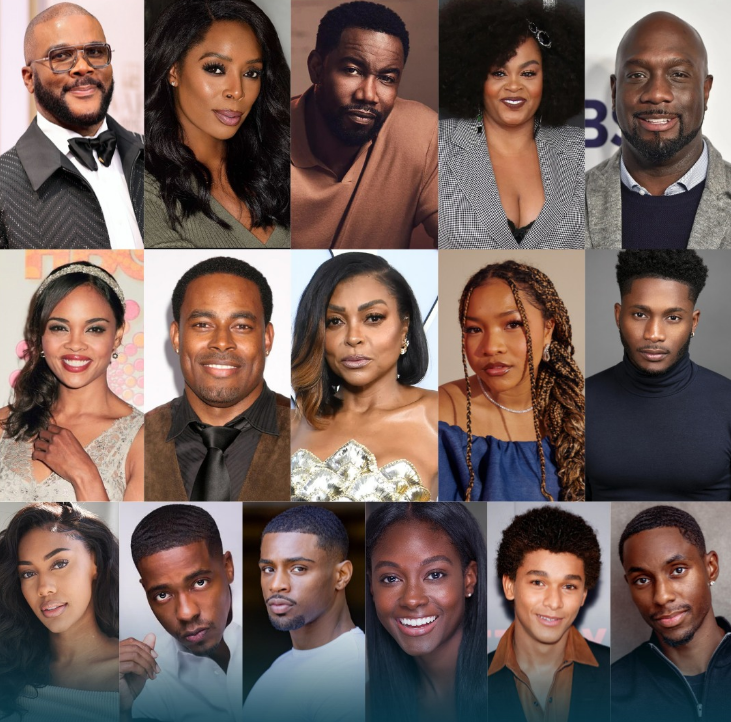
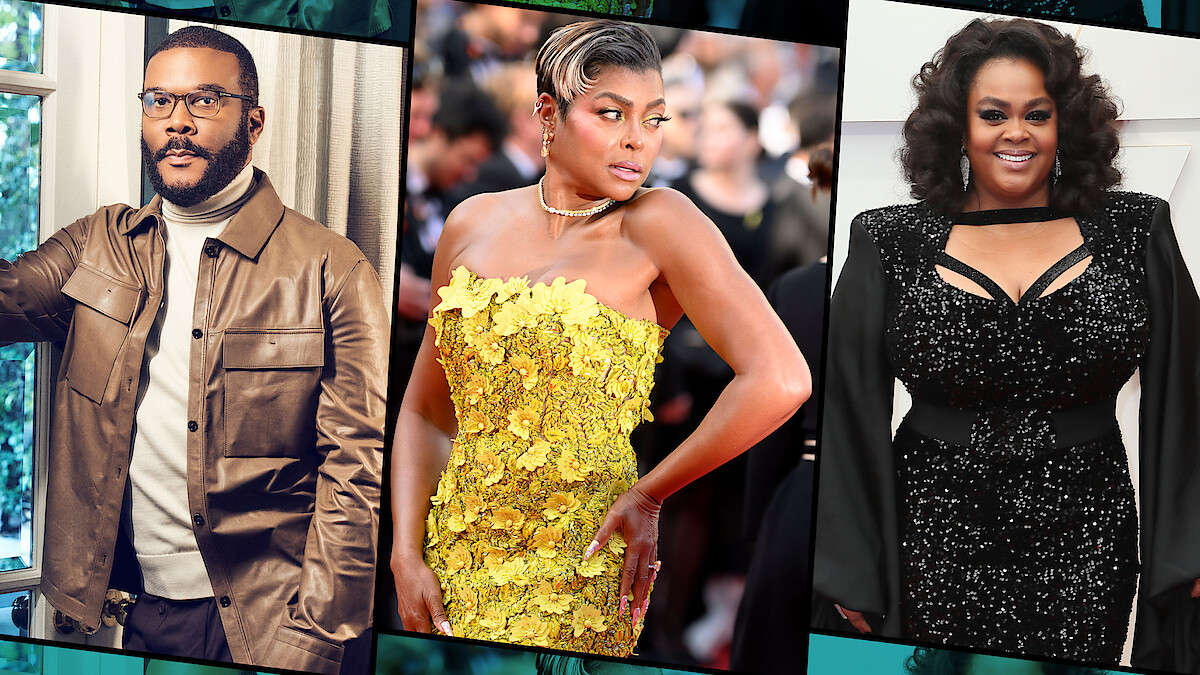
The sequel reunites much of the original ensemble, including Jill Scott, Richard T. Jones, Tasha Smith, Michael Jai White, Lamman Rucker, and Sharon Leal.
Netflix has also confirmed the addition of Taraji P. Henson, whose involvement introduces fresh energy to the franchise. She joins an expanded cast that includes Armani Greer, Everett Osborne, Da’Vinchi, Laya DeLeon Hayes, Jaden Michael, Charles L. Smith, Derrick A. King, and Sydney Winbush.
The absence of Janet Jackson, who played Patricia in the first two films, has sparked considerable discussion among longtime fans. Although no official explanation has been provided, Perry’s decision to move the narrative forward suggests a focus on evolution rather than nostalgia.
Why This Story Matters in 2026
The original film debuted during a period when conversations about marriage were already beginning to shift. Traditional expectations surrounding gender roles, financial responsibility, and personal fulfillment were increasingly being questioned.
In 2026, those conversations have become even more nuanced.
Modern relationships exist within a social landscape shaped by discussions surrounding emotional labor, therapy, work-life balance, financial equality, and changing definitions of commitment. Marriage remains important to many people, but what individuals expect from their partners has evolved dramatically.
This context gives Why Did I Get Married Again? an opportunity to revisit its central themes with greater depth and contemporary relevance.
Tyler Perry’s work has often divided critics, with some pointing to melodramatic storytelling tendencies. Yet his contributions to the portrayal of Black relationships in mainstream entertainment remain significant. His films have consistently presented Black couples as multidimensional people navigating joy, disappointment, resilience, and vulnerability.
If this sequel embraces emotional honesty over spectacle, it may become one of Perry’s most meaningful projects in recent years.
More Than a Sequel
The title Why Did I Get Married Again? naturally invites comparisons to its predecessors, but its premise suggests something larger at stake.
This is no longer solely a story about why people choose marriage.
It is also about what those choices teach future generations.
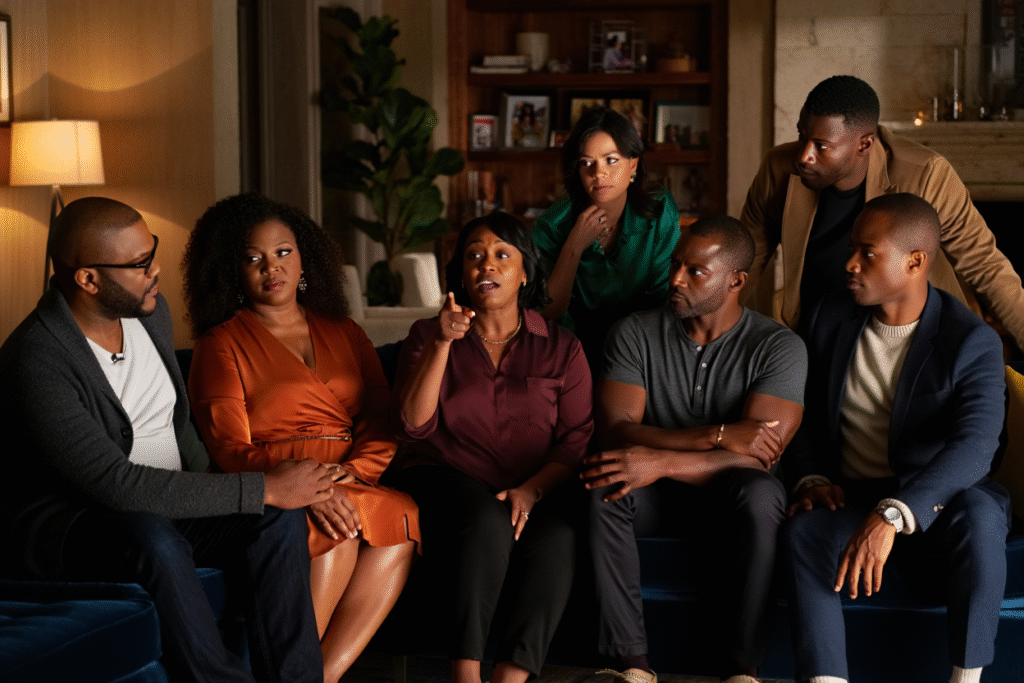
As parents watch their children prepare to build lives of their own, they are forced to confront difficult truths about the relationships they modeled, the mistakes they made, and the wisdom they hope to pass forward.
In that sense, the franchise’s defining question has evolved.
It is no longer simply:
“Why did I get married?”
Instead, it asks:
“What does marriage mean today—and what responsibility do we carry in shaping how the next generation understands love?”
If Tyler Perry’s Why Did I Get Married Again? successfully balances its signature blend of humor, conflict, and emotional vulnerability, it could achieve something rare for a legacy sequel. Rather than revisiting the past for comfort, it may use familiar characters to explore how relationships continue to evolve in an increasingly complicated world.
For audiences who have grown older alongside these characters, the film offers the possibility of something deeper than nostalgia.
It offers reflection.