‘Ride or Die’ Review: A Queer Road Thriller That Finds Its Own Imperfect Voice
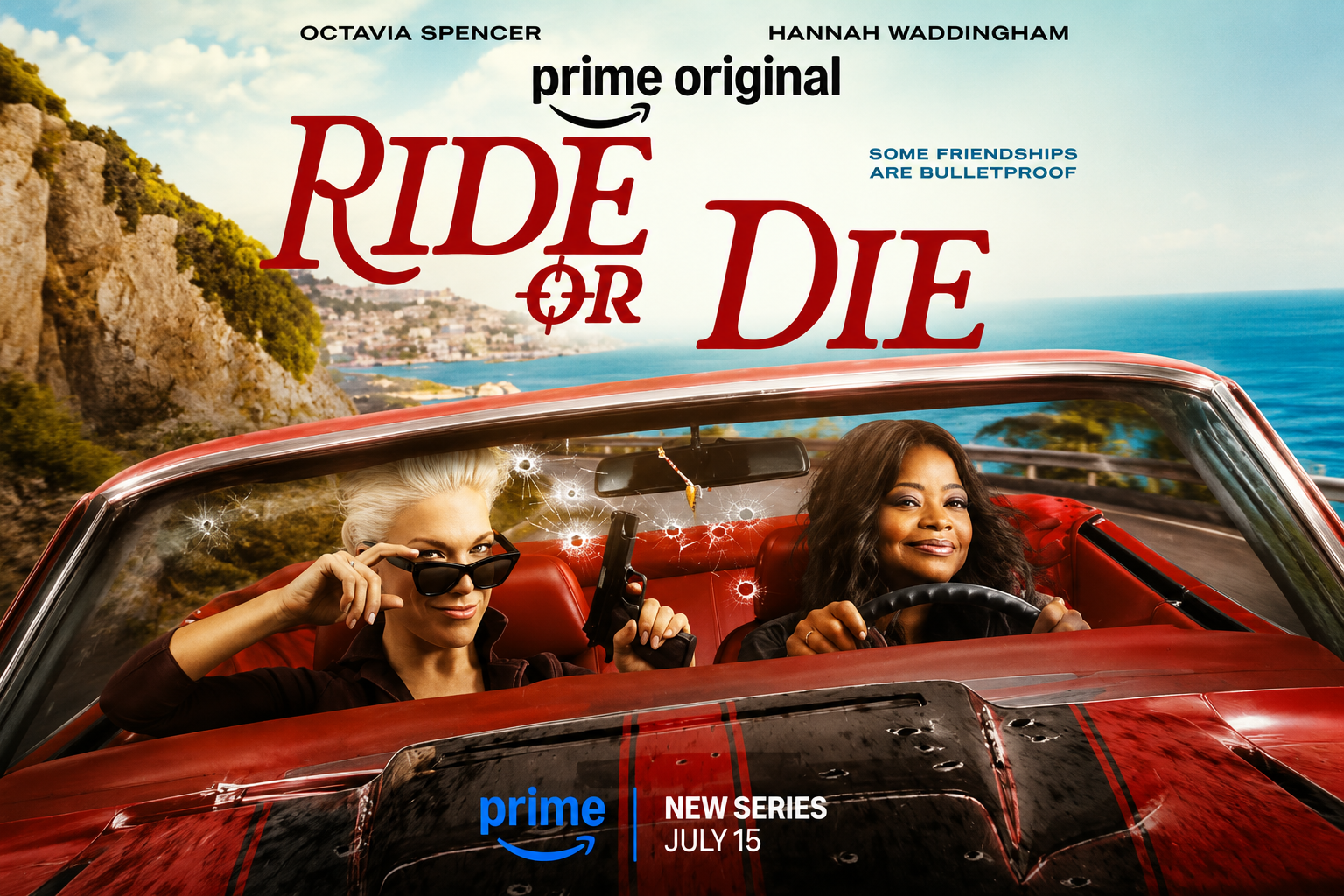
Josalynn Smith’s debut feature Ride or Die begins under the long shadow of Thelma & Louise, yet gradually carves out a distinct identity of its own. Premiering at the Tribeca Festival and produced by Jamie Foxx’s Foxxhole Productions, the film has been described as an “anti-romantic thriller” and a queer reinterpretation of the iconic 1991 road movie. While the comparison is inevitable, Smith’s film ultimately steers toward a more intimate and emotionally complicated destination.

The story follows Paula and Sloane, two former high school acquaintances from St. Louis who reconnect years later. Paula, an aspiring filmmaker recently returned home from college, dreams of escaping to Los Angeles. Sloane, meanwhile, works at a vintage clothing store and carries the emotional scars of a turbulent upbringing. Their reunion quickly develops into a tentative romance, and before long, an impulsive road trip changes the course of both their lives.
What initially appears to be a coming-of-age romance soon evolves into a tense thriller. Early in their journey, unsettling encounters hint at the danger that lies ahead. From an unnerving tow truck driver to ominous signs along isolated highways, the film establishes an atmosphere of vulnerability and unease. However, Ride or Die is less interested in external threats than in the emotional terrain navigated by its protagonists.

The film’s greatest strength lies in its central performances. Briana Middleton delivers a compelling portrayal of Paula, capturing both her caution and deep emotional longing. Stella Everett brings volatility and fragility to Sloane, creating a character whose impulsiveness stems from unresolved trauma. Together, the two actresses share a dynamic chemistry that elevates the material, even when the screenplay stretches credibility.

Smith, who grew up in St. Louis and earned her MFA from Columbia University, demonstrates a nuanced understanding of her characters. Co-written with Alicia Louzoun-Heisler, the script acknowledges that love—especially first love—can be irrational and self-destructive. Viewers may question whether someone as grounded as Paula would risk so much for a person as chaotic as Sloane. Yet the film argues that emotional attachment rarely follows logic. In this regard, Ride or Die offers an honest portrayal of the intensity and blindness that often accompany young love.
The movie also thoughtfully explores issues of race, class, and identity. Paula, a Black woman raised within the traditions of the church, experiences both the comfort and constraints of her family’s expectations. Though loved by her mother, she struggles with the lack of acceptance surrounding her queerness. Sloane, by contrast, comes from a fractured home environment that has shaped her worldview and behavior. Their differing backgrounds add depth to their relationship and influence how they navigate the world together.

Smith’s direction is supported by Arlene Muller’s intimate cinematography and Olivia Eliseo’s sharp editing. The film captures both the exhilaration of newfound connection and the anxiety simmering beneath the surface. Moments of humor and tenderness balance the darker elements of the narrative, creating a story that feels emotionally authentic even when its plot developments strain plausibility.
One particularly memorable sequence takes place at a lesbian bar in the Mountain West, where Paula encounters a woman who shares a familiar phrase from the Black church tradition: “God is Good.” The exchange serves as a subtle reminder of the intersections between faith, identity, and belonging that continue to shape Paula’s journey.

As the road trip progresses, unanswered questions about Sloane’s estranged father in Arizona evolve into a central narrative thread. Eventually, the story circles back to its provocative opening, with Paula reflecting in voice-over, “How do you ask for forgiveness?” It is a fitting question for a film preoccupied with mistakes, redemption, and the complicated choices people make in the name of love.
Ride or Die is far from flawless. Its narrative occasionally falters under the weight of implausible decisions and uneven pacing. Nevertheless, Josalynn Smith announces herself as a filmmaker with a distinctive voice and a genuine interest in the contradictions of human relationships. Anchored by two powerful performances, the film transforms from a familiar road-movie homage into something messier, more personal, and ultimately more affecting.
In the end, Ride or Die may not achieve the iconic status of its cinematic predecessors, but it succeeds in offering a fresh perspective on queer desire, identity, and the risks people take when searching for connection. It is a debut that suggests Smith is a director worth watching, even when the road ahead becomes uncertain.