Easy Rider: From Counterculture Icon to Controversial Reboot
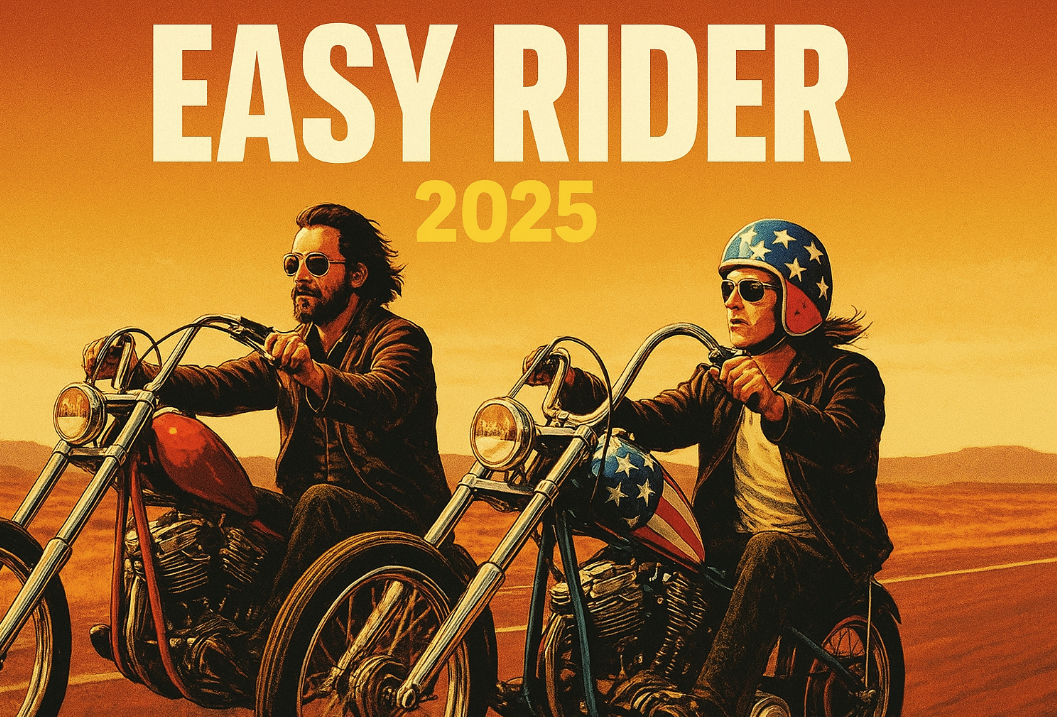
1. Cultural Legacy and The Original Classic (1969)
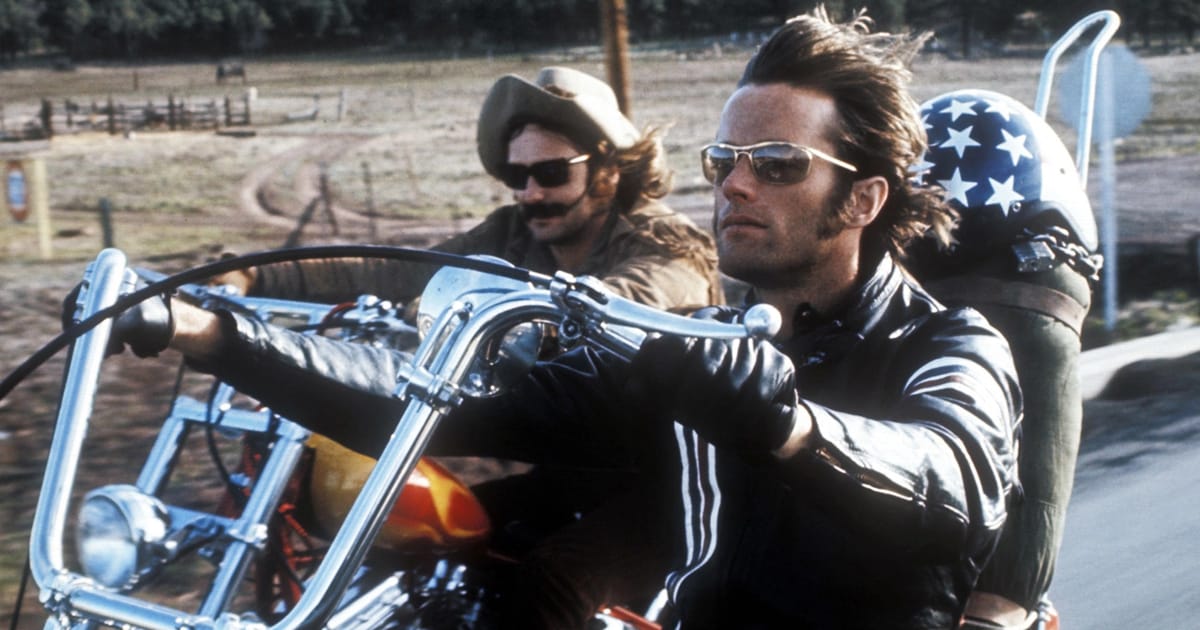
To discuss American cinema of the 1960s is to discuss Easy Rider. Released in 1969, the film was more than just a movie; it was a cultural explosion that helped jumpstart the “New Hollywood” era, a time when independent filmmakers began to dismantle the rigid rules of the major studios.
Written by Peter Fonda, Dennis Hopper, and Terry Southern, and directed by Hopper, the film follows two bikers, Wyatt (Fonda) and Billy (Hopper). Fresh off a lucrative cocaine smuggling deal, they embark on a cross-country odyssey from Los Angeles to New Orleans in search of spiritual freedom and the elusive “American Dream.” Produced on a shoestring budget of roughly $400,000, the film became a massive box-office phenomenon, grossing over $60 million worldwide.

The film’s true legacy, however, lies in its raw depiction of the counterculture. It captured a polarized America: the divide between the conservative establishment and the rebellious youth, between peace and violence. Its shocking, tragic ending served as a haunting warning about the price of freedom in an intolerant society, cementing its status as an immortal piece of American history.
2. The Reboot: Facts, Rumors, and Clarifications
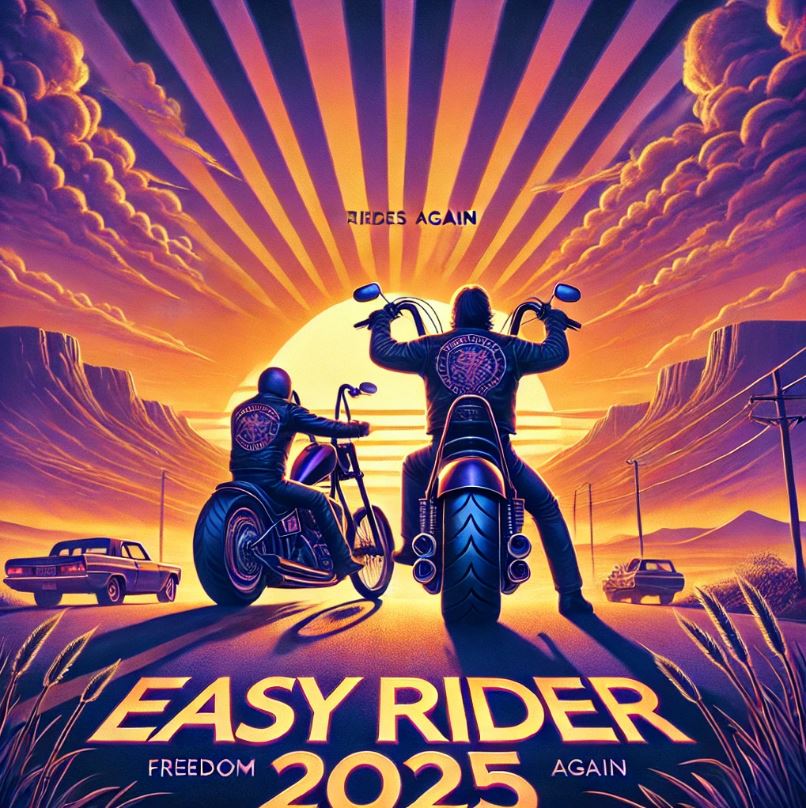
In late 2022, Variety confirmed that a reimagining of Easy Rider is indeed in the early stages of development. A consortium of producers, including Maurice Fadida (Kodiak Pictures), Eric B. Fleischman (Defiant Studios), and the Jean Boulle Group, currently hold the adaptation rights.
However, it is crucial to clarify the current status regarding the cast and direction:
Casting Reality: Contrary to internet rumors or fan-casting scenarios, there is no official confirmation that Ryan Gosling is attached to the project. Furthermore, as original stars Peter Fonda and Dennis Hopper have passed away, they will not be reprising their roles (barring the unannounced use of digital recreation technology).
Creative Direction: The producers have explicitly stated they are not looking to do a shot-for-shot remake. Instead, they are using Ryan Coogler’s Creed as a blueprint. The goal is not to replicate the 1960s, but to update the narrative for modern times. Producer Maurice Fadida has expressed a desire to focus on the countercultures and challenges specific to today’s youth (Gen Z), arguing that their modern struggles can become the new societal norm, just as the hippie movement did decades ago.
3. Expectations, Skepticism, and Public Sentiment
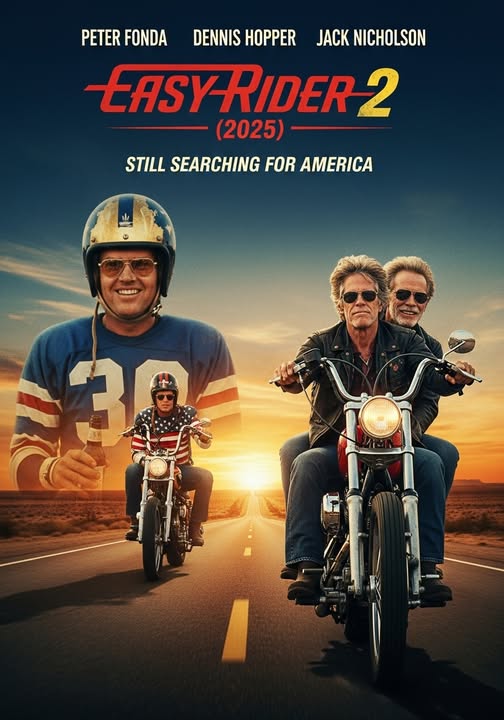
The announcement of an Easy Rider reboot has inevitably sparked intense debate within the film community, characterized by two distinct viewpoints:
Deep Skepticism: For film purists, the idea borders on sacrilege. Many argue that Easy Rider was “lightning in a bottle”—a product entirely specific to the Vietnam War era, psychedelic rock, and the specific social unrest of 1969. Critics question whether a modern studio can capture that same raw, independent spirit in an era defined by polished commercialism. The central question remains: “What does ‘rebellion’ even look like in 2025? Is it possible to be ‘wild’ in an age of constant digital surveillance?”
Cautious Optimism: On the other hand, some audiences see potential in the Creed approach. If the filmmakers avoid nostalgia bait and genuinely explore the fracturing of modern society—addressing themes like digital isolation, economic disparity, and political polarization—there is fertile ground for a new story. If the reboot can capture the anxiety and aimlessness of the current generation with the same honesty that Hopper and Fonda did in 1969, it could justify its existence.
Conclusion: The Easy Rider reboot remains a risky gamble. It stands on the precipice between being a hollow cash-grab and becoming a relevant cultural touchstone for a new century. Only time will tell if the producers can truly find the “fringe spirit” they are searching for.